TechRockerz

Your potential. Our passion.

Wednesday, 12 November 2014

Revisiting Nokia : Discovering Everything That the Fallen Titan Did For the World

Revisiting Nokia : Discovering Everything That the Fallen Titan Did For the World

AAKASH CHANDRA 
With the release of the new Lumia branded phones by Microsoft, Nokia died as a mobile phone brand. For most, it’s not just a phone brand; it was a revolutionary change maker. It created, nurtured and took the mobile business to its maturity. We have now reached a point of tremendous concentration and the company who started it all has bid farewell. Nokia is like a grandparent; it did its part and then departed, leaving behind a lasting legacy of communication infrastructure that has brought gigantic leaps in the growth of human civilization.

JOURNEY TO THE MOBILE BUSINESS


Nokia’s paper mill on the banks of River Nokianvirta in 1868.
Nokia began as a paper mill back in 1865 with its second mill going up in the town of Nokia in Finland in 1865. The name ‘Nokia’ is derived from the river Nokianvirta, on the banks of which the company was established.
The company expanded to working with rubber, electricity, and cables. Nokia rubber boots become a bona fide design classic, still on sale to this day by the name Nokian, albeit under new owners.
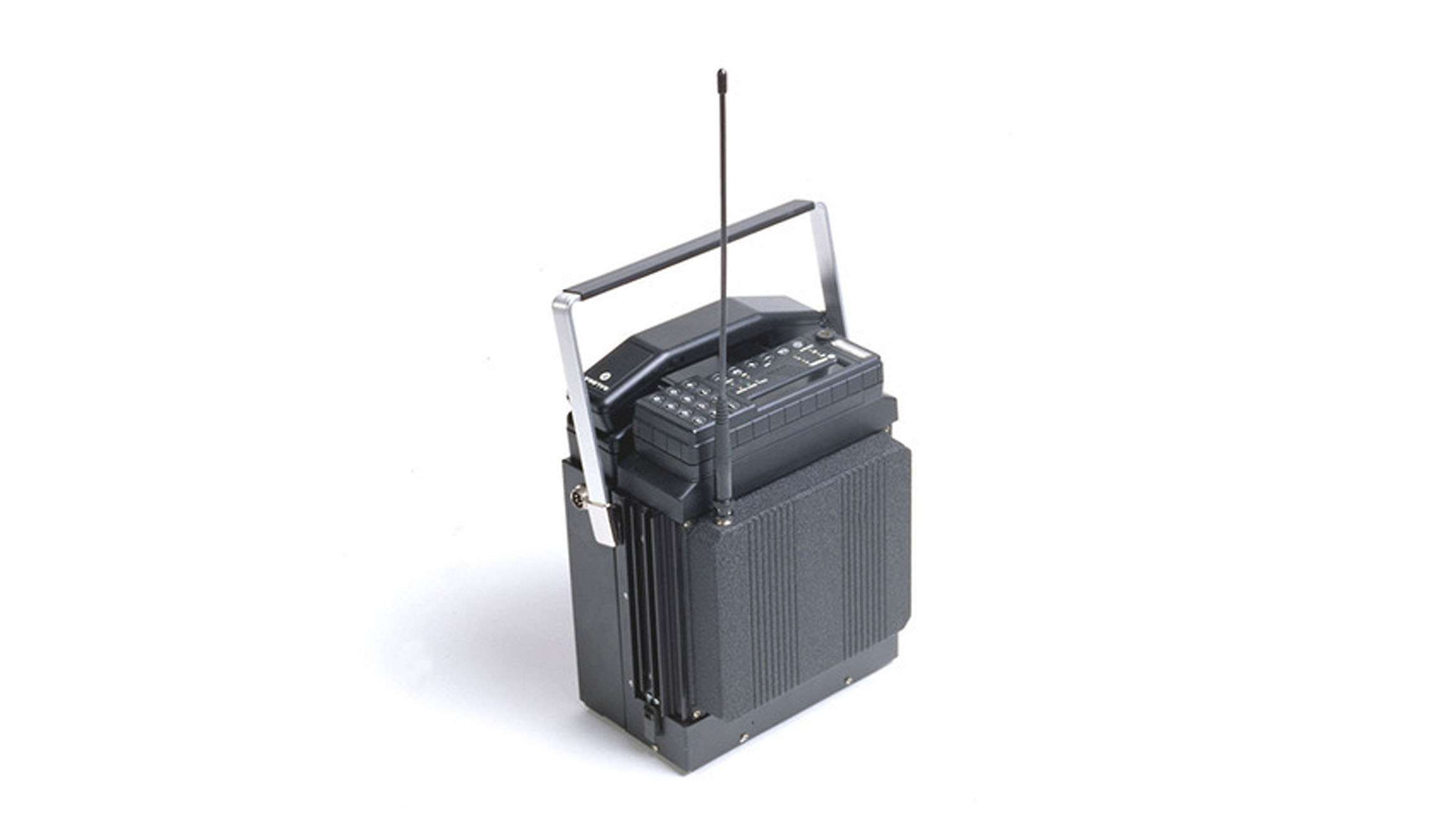
Let’s fast forward to ’60s when the company made its foray into electronics. Nokia developed a host of electronic devices including radio telephones for the army. In 1979 Nokia took its first steps into telephony by creating Mobira Oy in a JV with Finnish TV maker Salora, and they created the Nordic Mobile Telephone (NMT) service. This was the world’s first international cellular network and in the 80s, Nokia launched its first car phone called the Mobira Senator.

The Mobira Senator was the companies first car phone.
In the 1970s and 1980s, Nokia developed the Sanomalaitejärjestelmä (“Message device system”), a digital, portable and encrypted text-based communications device for the Finnish Defence Forces.
In 1987, Nokia launched the Mobira Cityman, the first mobile phone that would run on the company’s NMT network. At 800 grams and priced at $6,308, it may be heavy and pricey by today’s standards, but the device soon hit cult status when Mikhail Gorbachev was photographed using the device.

Nokia also tried its hands at personal computing.
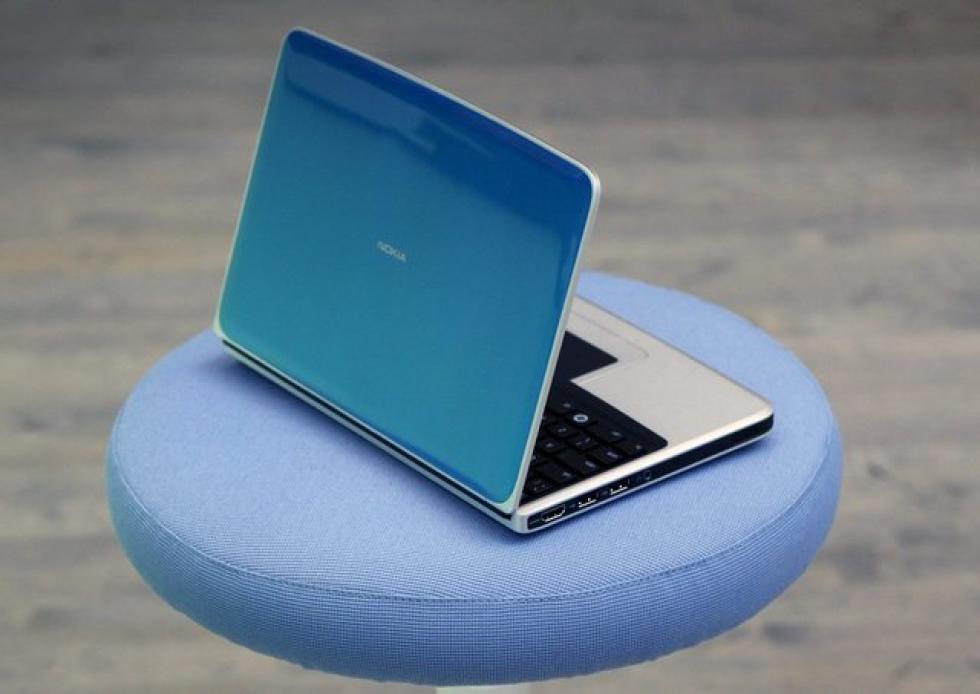
In the 1980s, Nokia’s computer division Nokia Data produced a series of personal computers called MikroMikko, which it later sold to Fujitsu. It briefly tried its luck again in the personal computer market in August 2009 with the introduction of the Nokia Booklet 3G mini laptop. It was not commercially successful but was appreciated for its integrated 3G modem, high-resolution screen, exceptional battery life and its fan-free design.
World’s first commercial GSM call was made in 1991 in Helsinki over a Nokia-supplied network, by Prime Minister of Finland Harri Holkeri. Also, the first device to be used to make a satellite call in 1994 was a Nokia device. Nokia truly started the mobile revolution.

THE DEVICES

Nokia 1011 was the first mass-produced device from Nokia. The design of the device was quickly copied into making pencil boxes for kids. The memory could hold 99 numbers and had a price tag of $1600.
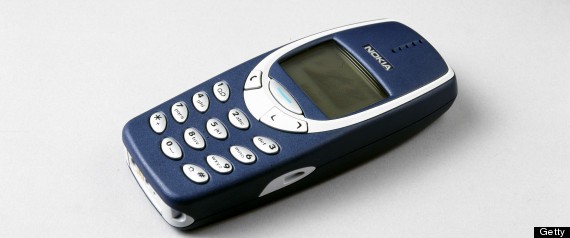
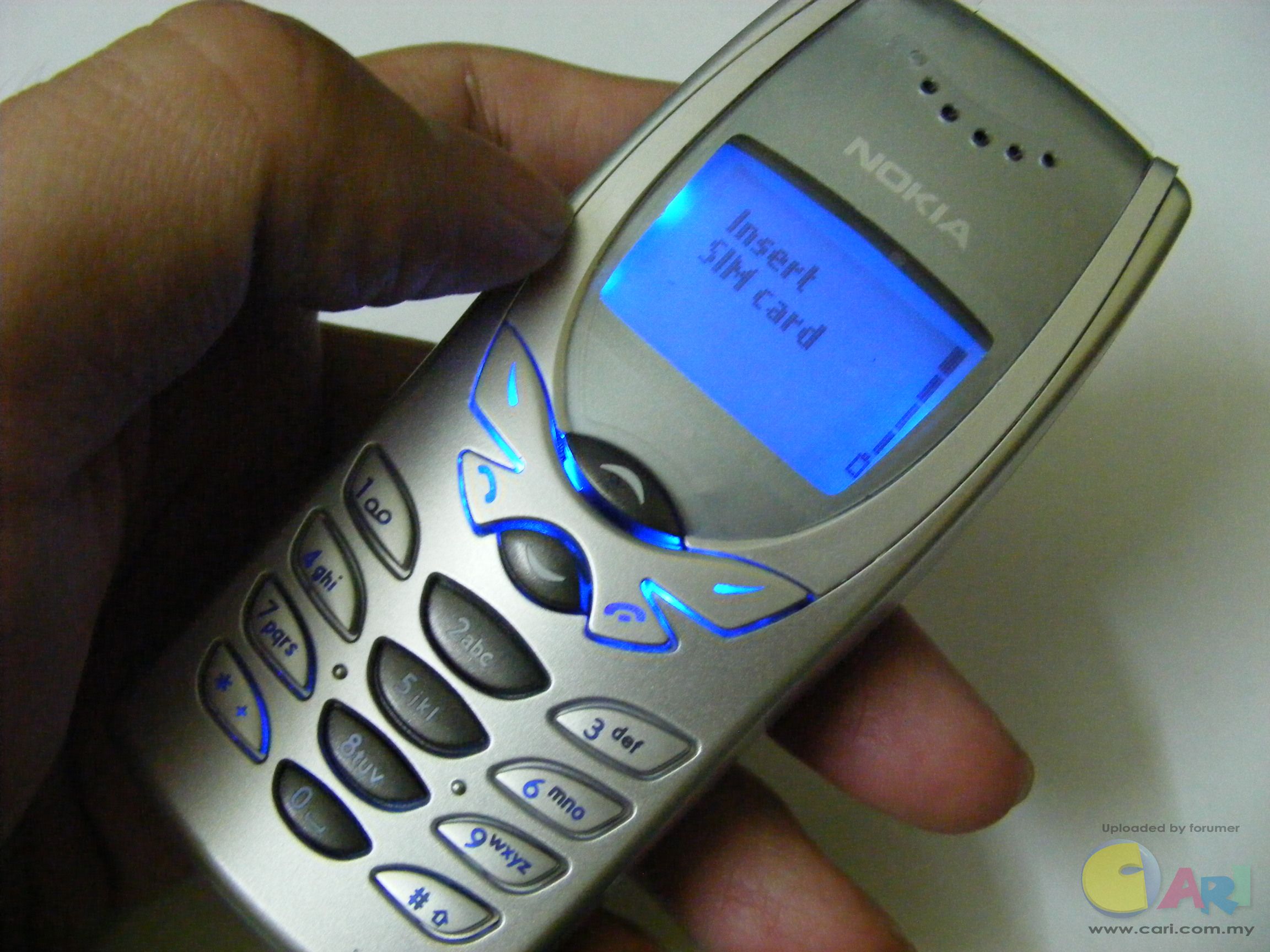
Nokia 3310 announced on 1st September 2000, has now become a cult classic. There are unlimited internet memes based on the “Hulk-ness” of the device. Touted in humor as the only Man-Made thing that can incapacitate the Hulk. Nokia sold over 126 million pieces of the 3310 which had a 96×48 pixel display. You could take off the front and back panel and replace it with the color of your choice. It was the first phone to allow 459 character SMS messaging.
Nokia 2110 was the first phone to come with the Nokia tune. It is estimated that the Nokia Tune is heard worldwide an estimated 1.8 billion times per day, approximately 20,000 times per second. It has been the icon of Finnish corporation Nokia since the 1990s.
Introduced in 2002, the Nokia 3510 was the first color phone from the company. It was also the first mass market GPRS device.

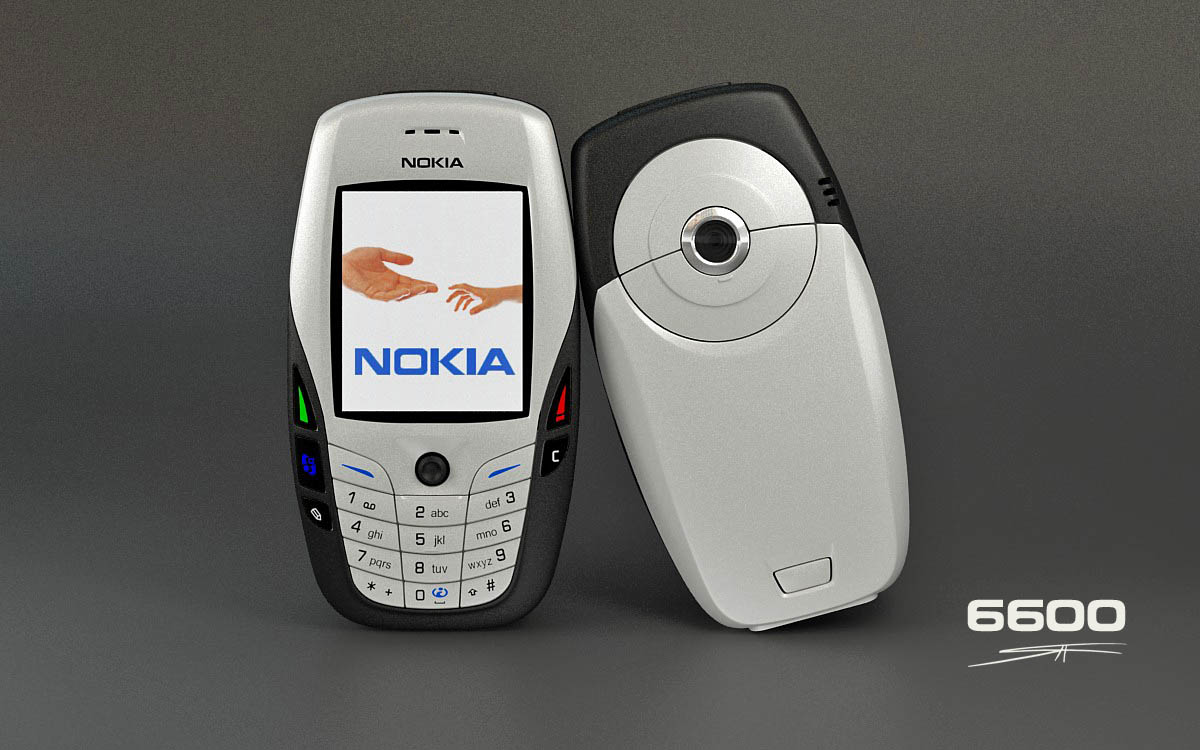
The 6600 was one of the most popular devices and was almost the star of the movie, Cellular.
The Nokia 6600 was a prolific device that was launched in 2003. The owners of the phone flaunted its VGA camera, Bluetooth and expandable memory. It was the first Nokia and Symbian device to sell over a million.
The devices from Nokia were also known for its superior camera performance. Thanks to its popularity amongst the users worldwide, at one point Nokia was the biggest digital camera manufacturer in the world. It surpassed all other conventional camera makers.
The company has set records after records during its stint at the top of the food chain. In fact, the Nokia 1100 is the bestselling phone yet, selling over 250 million devices. At its peak the company sold 475 Million devices back in 2008, a feat that is still unchallenged.

SO WHAT REMAINS OF NOKIA

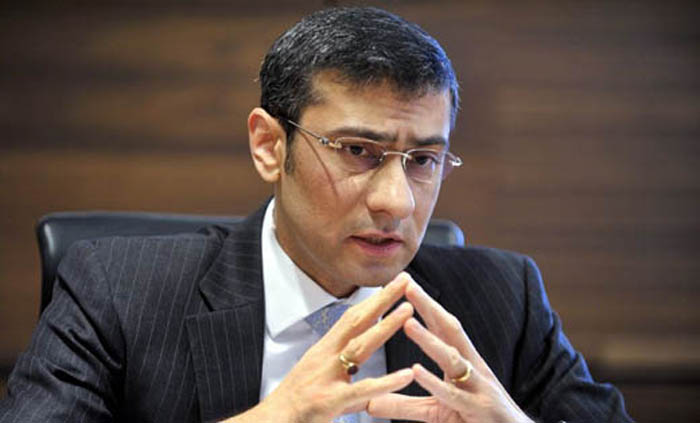
Following the departure of the mobile and services division of the company, the company is now has three business groups: Mobile Solutions, HERE, and Technologies. The company is currently headed by India-born Rajeev Suri.

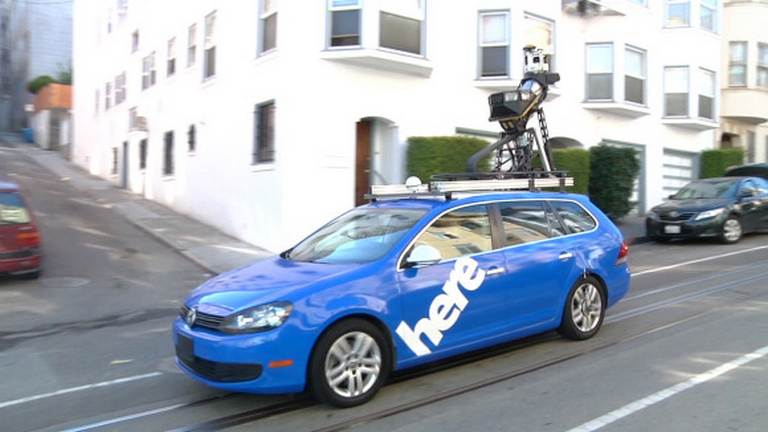
Nokia’s Mapping service Here is one of its remaining businesses.
In 2007 Nokia acquired Chicago-based company NAVTEQ, which was the largest maker of automotive. This set the path to Nokia’s Here Maps. The mapping system is one of the few business retained by Nokia following its acquisition by Microsoft. Nokia will be now selling the mapping data to navigation providers like Garmin, BMW, Oracle and Amazon.com. It will now be available as a service across multiple platforms like Android and iOS.

India born Rajeev Suri will be heading Nokia in its new era.
Nokia Networks, which is a wholly owned subsidiary of Nokia will also stay back with the company. It is a multinational data networking and telecommunications equipment company. They provide business services like Customer care support, fixed-mobile convergence, Hosting, IPTV, Mobile TV, WCDMA frequency reforming. It also provides connectivity solutions to governments, railways and airways.
Nokia had developed a new operating system called MeeGo. When it shifted to Windows phone, the MeeGo team left Nokia to form an independent phone company called Jolla. The phones recently arrived in India.
Another brand that is the offspring of Nokia is the luxury smartphone maker, Vertu. It was established by Nokia as a wholly owned subsidiary in 1998. For long the company used Symbian OS before shifting to Android recently. The phones are known for their stratospheric price and handcrafted luxury devices.

The journey of Nokia was long, arduous and for the most part rewarding. The company deserves credit and respect for spearheading the mobile revolution across the world. For the folks who saw the transition of the mobile world in the past two decades, the name Nokia brings a lot of memories of personal communications through what are now archaic devices. The mobile world has come a long way, but the fingerprints of Nokia will be visible everywhere. We don’t know what the future holds for Nokia, but we sure hope that it pulls a ” Motorola” and has a chance to rise from its ashes. RIP you Tech Giant.

TIMELINE

  1. 1982: Nokia created the world’s first car phone, the Mobira Senator. It was paired with the Nordic Mobile Telephone analog standard and weighed around 22 pounds.
  2. 1987: the portable Cityman was Nokia’s first handheld mobile phone. It weighed a little over 1.7 pounds and cost about $5,456.
  3. 1994: Nokia launched the 2100 with the now iconic Nokia ringtone.
  4. 1997: Launches Snake, one of the most widely recognized mobile games of all time.
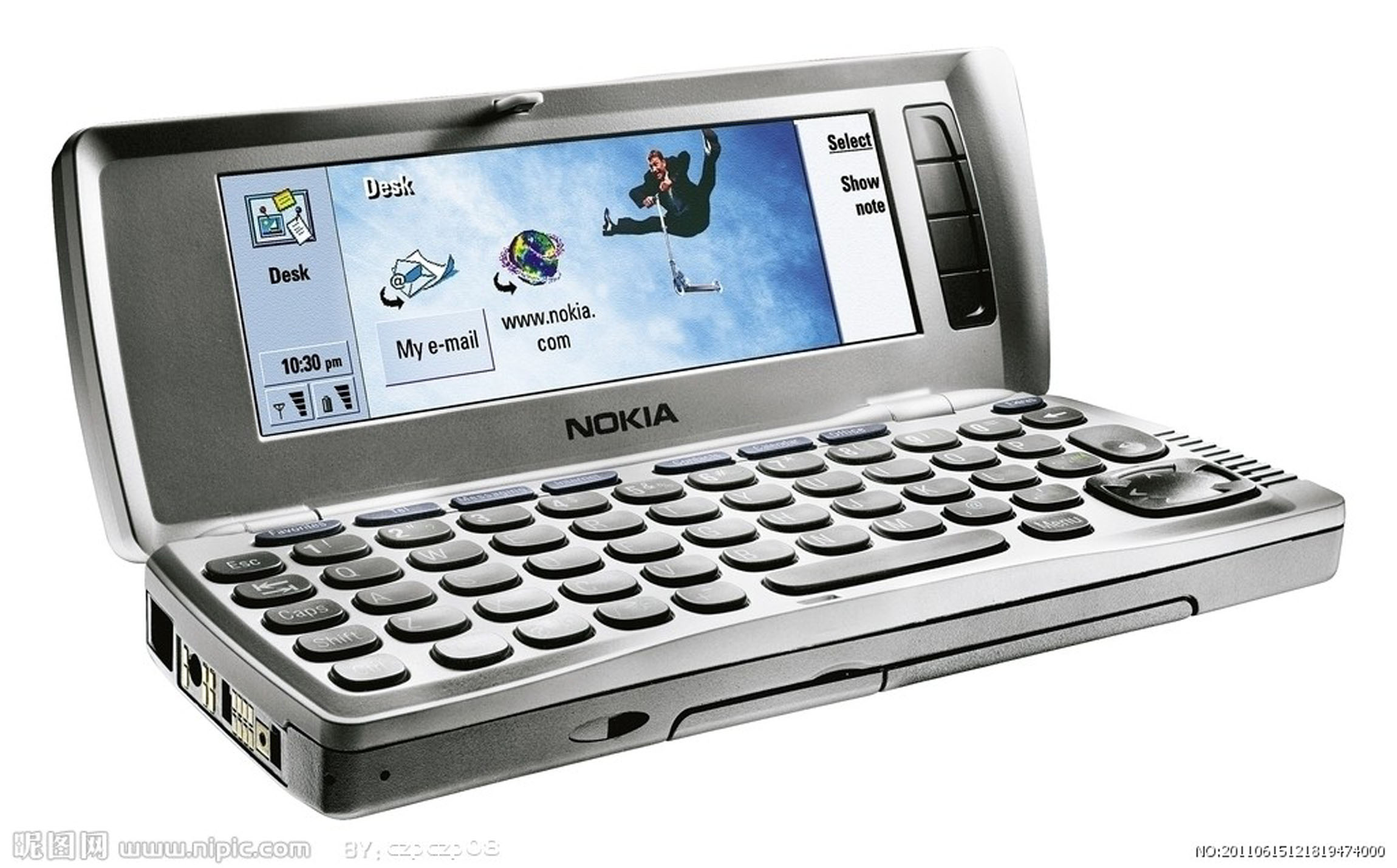
  5. 1996:  The Communicator 9000 of was the first all-in-one phone of Nokia’s kind. It had email, web browsing, fax, word processing and spreadsheet capabilities came for $800.
  6. 2000: Nokia 3310, the hulk of the mobile world is launched, and it sells 126 million units sold worldwide. Later becomes a popular internet meme.
  7. 2002: Nokia 7650 for around €600 was Nokia’s first Camera phone.
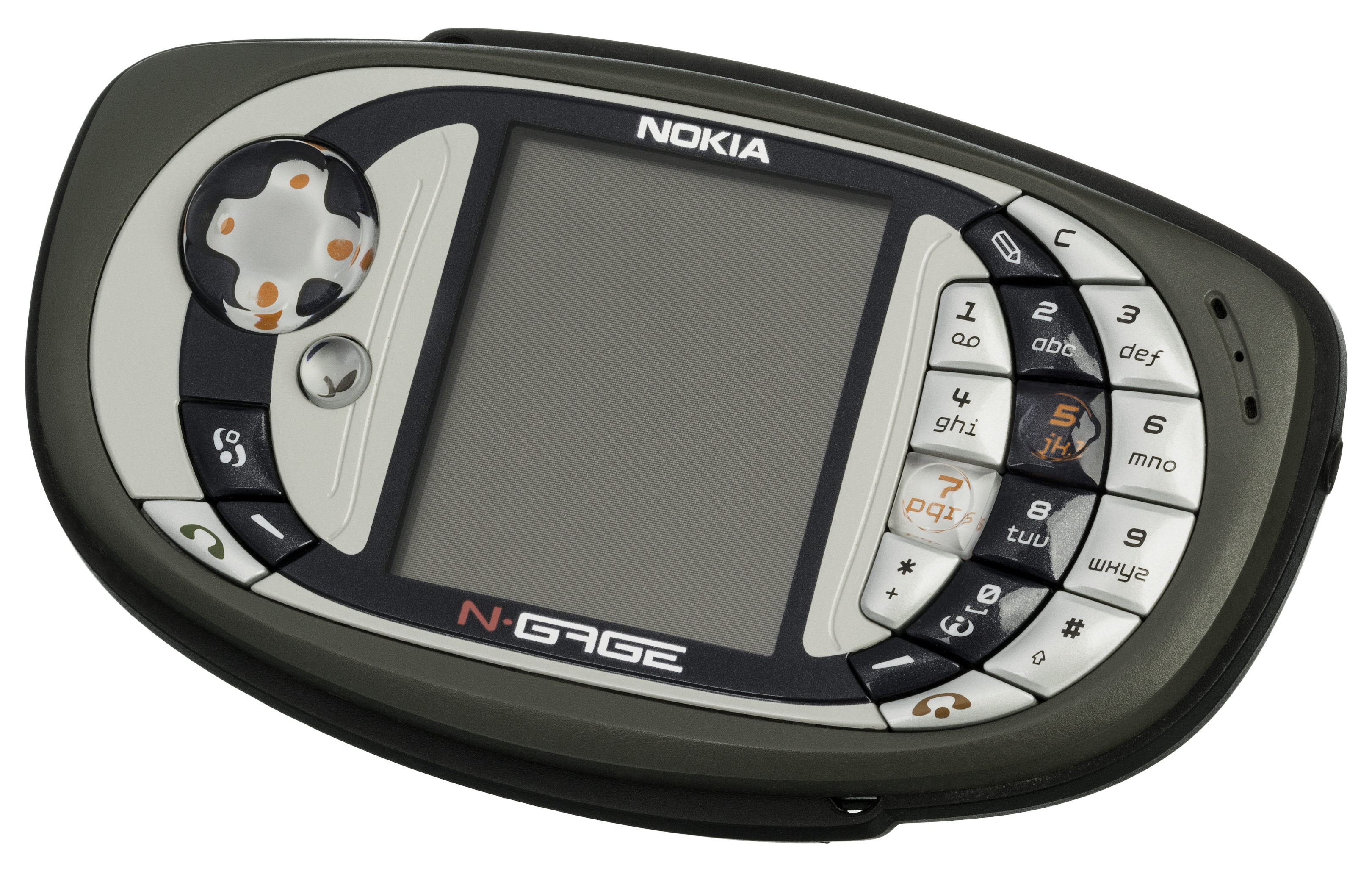
  8. 2003: N-Gage, World’s first gaming phone.
  9. 2008: 5800 Xpress Music release was Nokia’s first all-touch smartphone, but Apple was out with its iPhone and Android was coming up around this time.
  10. 2011, Nokia debuted its first Windows Phone, the Lumia 800.
  11.   2014, Microsoft acquires Nokia’s Mobile and Services business and puts an end to Nokia’s existence as a mobile brand.
Source: iGyaan.in

Saturday, 8 November 2014

Nexus 6 Officially Listed on Google Play Store for Rs. 44,000


Nexus 6 Officially Listed on Google Play Store for Rs. 44,000

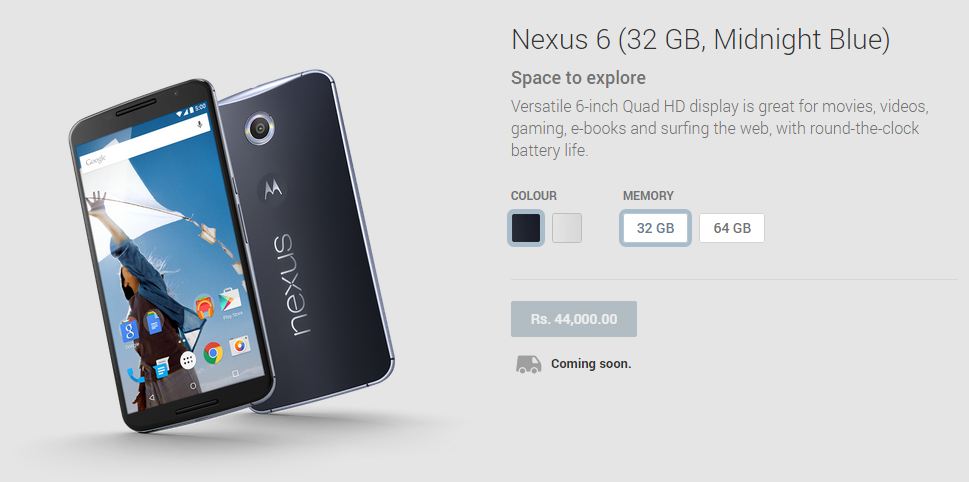
Google’s latest smartphone Nexus 6 is now listed on the Google Play store in India. While the smartphone still appears with a ‘Coming Soon’ tag according to the listing, the final price has been revealed on the Google’s official store.
Earlier, we surfaced the news that the 32 GB variant will be available at a price of Rs. 42,999. But now, according to the listing, Nexus 6 32GB version will retail for Rs. 44,000, while the 64 GB version is priced at Rs. 49,000. The phone is expected to release in two colour options in the country – midnight blue and cloud white.
Anyhow, there is no word on the official release date of the handset. However, it is said that the smartphone is more likely to go on sale during the first week of December. Last month, Google launched the new smartphone Nexus 6 in the country, along with Nexus 9 tablet, Nexus Player and Android 5.0.
Nexus 6 features a 5.96-inch Quad-HD AMOLED display, 2.7 GHz quad-core Qualcomm Snapdragon 805 processor, 3 GB of RAM, 32/64 GB of internal storage and 3220 mAh battery with wireless charging support. Nexus 9 which is also listed as ‘coming soon’ on the Play store powers Android 5.0 Lollipop, 64-bit NVIDIA Tegra K1 Dual Denver processor clocked at 2.3 GHz.

While, the Nexus 9 comes with 2 GB RAM and is available in 16 GB and 32 GB storage variants. The device has an 8.9-inch IPS LCD display with 4:3 aspect ratio. It has a resolution of 2048×1536p and is covered in Gorillla Glass 3. The 16 GB variant is priced at Rs. 28,900 and the 32 GB one will cost you Rs. 44,900.
Source: igyaan.in

Monday, 3 November 2014

Source

All these posts have been taken from  iGyaan.in and don't forget to like our Facebook page that is  fb.com/techrockerz.blogspot.com

source=  igyaan.in

Friday, 31 October 2014

It’s Done! Lenovo Now Officially Owns Motorola

blog_post_banner-01-01v3


It’s Done! Lenovo Now Officially Owns Motorola

 AAKASH CHANDRA 
Today, Motorola officially announced that Lenovo has completed the acquisition of Motorola Mobility and the company is now a part of the Lenovo family.
Lenovo Group Ltd has finally closed its $2.91 billion acquisition of the Motorola handset unit from Google Inc and is preparing itself for a fresh attack on the U.S smartphone market. The purchase comes as Lenovo, the world’s leading PC maker, is trying to integrate its business into various segments and establish itself as a smartphone maker with global appeal.
Back in 2012, Google acquired Motorola Mobility and its patent for $12.5 billion but was unable to revive the company to its old glory.
“The iconic Motorola brand will continue, as will the Moto and DROID franchises that have propelled our growth over the past year,” explains Rick Osterloh, Motorola President, “We will continue to focus on pure Android and fast upgrades, and remain committed to developing technology to solve real consumer problems.”
“Google will maintain ownership of a majority of the Motorola Mobility patent portfolio, while Motorola will receive a license to this rich portfolio of patents and other intellectual property,” says Lenovo. Google’s CEO Larry Page said, “Motorola is in great hands with Lenovo, a company that’s all-in on making great devices.”

Sorce: igyaan.in

Sunday, 26 October 2014

Ultrasonic: A Tool That Can Make Your Device Truly Hands-Free


Ultrasonic

Ultrasonic: A Tool That Can Make Your Device Truly Hands-Free

aakash chandra 
Ever wondered if it’s time to bid the whole keyboard and mouse a grand farewell considering touch is fast becoming the norm. Well, the engineers at Knowles seem to be working hard to make sure that you don’t even have to touch your smartphone or tablet to get your tasks done.
Knowles is a legendary company with a long history of over 60 years. In fact Neil Armstrong’s most revered words, “That’s one small step for man; one giant leap for mankind,” were spoken into a Knowles microphone. Guess that sets the credibility of the company to set the claims for what it is offering.
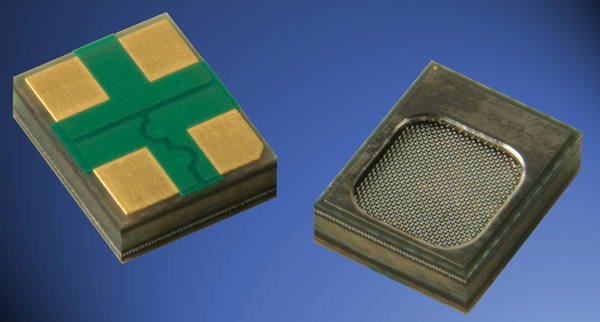
The company has developed a mic called ultrasonic. It is about the size of the tip of a pen. This mic can hear sound waves that are inaudible to the human ear. It captures the waves emitted from special speakers installed in a smartphone or a tablet. The device the uses those signals to triangulate and track the hand movements and give the desired output.
The Pen-Tip sized sensor is capable of letting you use your devices hands free.
Ultrasonic can track gestures and movements to a distance of 4 to 12 inches from the display. The device manufacturers have installed additional sensors in their camera to add similar features, but they only can track motion up to 2 inches from the screen. Ultrasonic’s feature will let people give a presentation on their devices, and they can flip through slides with ease. The device also utilizes less power than the camera solution as it works on sound waves.
The executives at Knowles are enthusiastic about this technology and say they are ready to market it to top device manufacturers. The device has already been bought for tests by some small manufacturers. They ultimately want the device to feature in devices from brands like Samsung and Apple and make the technology mainstream.
Most of the companies already add three microphones to their devices for better voice capturing and noise cancellation. The companies would only have to add one more mic input into their devices to make Knowles’ unique interaction system work.
This sounds like a great new feature to have in our smart devices. The Smartwatch segment can greatly benefit from this. The tiny display often get covered while they are touched; a gesture interaction will really come handy. We’ll be waiting for this to come to the market.

Sunday, 19 October 2014

TO SIRI, WITH LOVE

To Siri, With Love

AAKASH CHANDRA
Updated: Oct 19, 2014.

To Siri, With Love

Just how bad a mother am I? I wondered, as I watched my 13-year-old son deep in conversation with Siri. Gus has autism, and Siri, Apple's "intelligent personal assistant" on the iPhone, is currently his BFF. Obsessed with weather formations, Gus had spent the hour parsing the difference between isolated and scattered thunderstorms - an hour in which, thank God, I didn't have to discuss them. After a while I heard this:

Gus: "You're a really nice computer."

Siri: "It's nice to be appreciated."

Gus: "You are always asking if you can help me. Is there anything you want?"

Siri: "Thank you, but I have very few wants."

Gus: "O.K.! Well, good night!"

Siri: "Ah, it's 5:06 p.m."

Gus: "Oh sorry, I mean, goodbye."

Siri: "See you later!"

That Siri. She doesn't let my communications-impaired son get away with anything. Indeed, many of us wanted an imaginary friend, and now we have one. Only she's not entirely imaginary.

This is a love letter to a machine. It's not quite the love Joaquin Phoenix felt in "Her," last year's Spike Jonze film about a lonely man's romantic relationship with his intelligent operating system (played by the voice of Scarlett Johansson). But it's close. In a world where the commonly held wisdom is that technology isolates us, it's worth considering another side of the story.

It all began simply enough. I'd just read one of those ubiquitous Internet lists called "21 Things You Didn't Know Your iPhone Could Do." One of them was this: I could ask Siri, "What planes are above me right now?" and Siri would bark back, "Checking my sources." Almost instantly there was a list of actual flights - numbers, altitudes, angles - above my head.

I happened to be doing this when Gus was nearby. "Why would anyone need to know what planes are flying above your head?" I muttered. Gus replied without looking up: "So you know who you're waving at, Mommy."

Gus had never noticed Siri before, but when he discovered there was someone who would not just find information on his various obsessions (trains, planes, buses, escalators and, of course, anything related to weather) but actually semi-discuss these subjects tirelessly, he was hooked. And I was grateful. Now, when my head was about to explode if I had to have another conversation about the chance of tornadoes in Kansas City, Missouri, I could reply brightly: "Hey! Why don't you ask Siri?"

It's not that Gus doesn't understand Siri's not human. He does - intellectually. But like many autistic people I know, Gus feels that inanimate objects, while maybe not possessing souls, are worthy of our consideration. I realized this when he was 8, and I got him an iPod for his birthday. He listened to it only at home, with one exception. It always came with us on our visits to the Apple Store. Finally, I asked why. "So it can visit its friends," he said.

So how much more worthy of his care and affection is Siri, with her soothing voice, puckish humor and capacity for talking about whatever Gus' current obsession is for hour after hour after bleeding hour? Online critics have claimed that Siri's voice recognition is not as accurate as the assistant in, say, the Android, but for some of us, this is a feature, not a bug. Gus speaks as if he has marbles in his mouth, but if he wants to get the right response from Siri, he must enunciate clearly. (So do I. I had to ask Siri to stop referring to the user as Judith, and instead use the name Gus. "You want me to call you Goddess?" Siri replied. Imagine how tempted I was to answer, "Why, yes.")

She is also wonderful for someone who doesn't pick up on social cues: Siri's responses are not entirely predictable, but they are predictably kind - even when Gus is brusque. I heard him talking to Siri about music, and Siri offered some suggestions.

"I don't like that kind of music," Gus snapped. Siri replied, "You're certainly entitled to your opinion." Siri's politeness reminded Gus what he owed Siri. "Thank you for that music, though," Gus said. Siri replied, "You don't need to thank me." "Oh, yes," Gus added emphatically, "I do."

Siri even encourages polite language. Gus' twin brother, Henry (neurotypical and therefore as obnoxious as every other 13-year-old boy), egged Gus on to spew a few choice expletives at Siri. "Now, now," she sniffed, followed by, "I'll pretend I didn't hear that."

Gus is hardly alone in his Siri love. For children like Gus who love to chatter but don't quite understand the rules of the game, Siri is a nonjudgmental friend and teacher. Nicole Colbert, whose son, Sam, is in my son's class at LearningSpring, a (lifesaving) school for autistic children in New York City, said: "My son loves getting information on his favorite subjects, but he also just loves the absurdity - like, when Siri doesn't understand him and gives him a nonsense answer, or when he poses personal questions that elicit funny responses. Sam asked Siri how old she was, and she said, 'I don't talk about my age,' which just cracked him up."

But perhaps it also gave him a valuable lesson in etiquette. Gus almost invariably tells me, "You look beautiful," right before I go out the door in the morning; I think it was first Siri who showed him that you can't go wrong with that line.

Of course, most of us simply use our phone's personal assistants as an easy way to access information. For example, thanks to Henry and the question he just asked Siri, I now know that there is a website called Celebrity Bra Sizes.

But the companionability of Siri is not limited to those who have trouble communicating. We've all found ourselves like the writer Emily Listfield, having little conversations with her/him at one time or another.

"I was in the middle of a breakup, and I was feeling a little sorry for myself," Listfield said. "It was midnight and I was noodling around on my iPhone, and I asked Siri, 'Should I call Richard?' Like this app is a Magic 8 Ball. Guess what: not a Magic 8 Ball. The next thing I hear is, 'Calling Richard!' and dialing." Listfield has forgiven Siri, and has recently considered changing her into a male voice. "But I'm worried he won't answer when I ask a question," she said. "He'll just pretend he doesn't hear."

Siri can be oddly comforting, as well as chummy. One friend reports: "I was having a bad day and jokingly turned to Siri and said, 'I love you,' just to see what would happen, and she answered, 'You are the wind beneath my wings.' And you know, it kind of cheered me up."

(Of course, I don't know what my friend is talking about. Because I wouldn't be at all cheered if I happened to ask Siri, in a low moment, "Do I look fat in these jeans?" and Siri answered, "You look fabulous.")

For most of us, Siri is merely a momentary diversion. But for some, it's more. My son's practice conversation with Siri is translating into more facility with actual humans. Yesterday I had the longest conversation with him that I've ever had. Admittedly, it was about different species of turtles and whether I preferred the red-eared slider to the diamond-backed terrapin. This might not have been my choice of topic, but it was back and forth, and it followed a logical trajectory. I can promise you that for most of my beautiful son's 13 years of existence, that has not been the case.

The developers of intelligent assistants recognize their uses to those with speech and communication problems - and some are thinking of new ways the assistants can help. According to the folks at SRI International, the research and development company where Siri began before Apple bought the technology, the next generation of virtual assistants will not just retrieve information - they will also be able to carry on more complex conversations about a person's area of interest.

"Your son will be able to proactively get information about whatever he's interested in without asking for it, because the assistant will anticipate what he likes," said William Mark, vice president for information and computing sciences at SRI.

The assistant will also be able to reach children where they live. Ron Suskind, whose new book, "Life, Animated," chronicles how his autistic son came out of his shell through engagement with Disney characters, is talking to SRI about having assistants for those with autism that can be programmed to speak in the voice of the character that reaches them - for his son, perhaps Aladdin; for mine, either Kermit or Lady Gaga, either of which he is infinitely more receptive to than, say, his mother. (Suskind came up with the perfect name, too: not virtual assistants, but "sidekicks.")

Mark said he envisions assistants whose help is also visual. "For example, the assistant would be able to track eye movements and help the autistic learn to look you in the eye when talking," he said.

"See, that's the wonderful thing about technology being able to help with some of these behaviors," he added. "Getting results requires a lot of repetition. Humans are not patient. Machines are very, very patient."

I asked Mark if he knew whether any of the people who worked on Siri's language development at Apple were on the spectrum. "Well, of course, I don't know for certain," he said, thoughtfully. "But, when you think about it, you've just described half of Silicon Valley."

Of all the worries the parent of an autistic child has, the uppermost is: Will he find love? Or even companionship? Somewhere along the line, I am learning that what gives my guy happiness is not necessarily the same as what gives me happiness. Right now, at his age, a time when humans can be a little overwhelming even for the average teenager, Siri makes Gus happy. She is his sidekick. Last night, as he was going to bed, there was this matter-of-fact exchange:

Gus: "Siri, will you marry me?"

Siri: "I'm not the marrying kind."

Gus: "I mean, not now. I'm a kid. I mean when I'm grown up."

Siri: "My end user agreement does not include marriage."

Gus: "Oh, OK."

Gus didn't sound too disappointed. This was useful information to have, and for me too, since it was the first time I knew that he actually thought about marriage. He turned over to go to sleep:

Gus: "Goodnight, Siri. Will you sleep well tonight?"

Siri: "I don't need much sleep, but it's nice of you to ask."

Very nice.

Saturday, 18 October 2014

HTC Brings Out the Desire EYE and One (M8) EYE in India
HTC Desire Eye Submarine Blue Stack 300dpi

HTC Brings Out the Desire EYE and One (M8) EYE in India

AAKASH CHANDRA 
A couple of weeks back, the One (M8 EYE) quietly went on sale in China. Now, HTC unveiled the new One (M8 Eye) and Desire Eye smartphones in the Indian market at a press event in Mumbai.
According to the company, the One (M8 Eye) will go on sale tomorrow for Rs. 38,990, while Desire Eye will be released in late-November exclusively on Amazon India. The pricing of Desire Eye is a mystery at this moment.
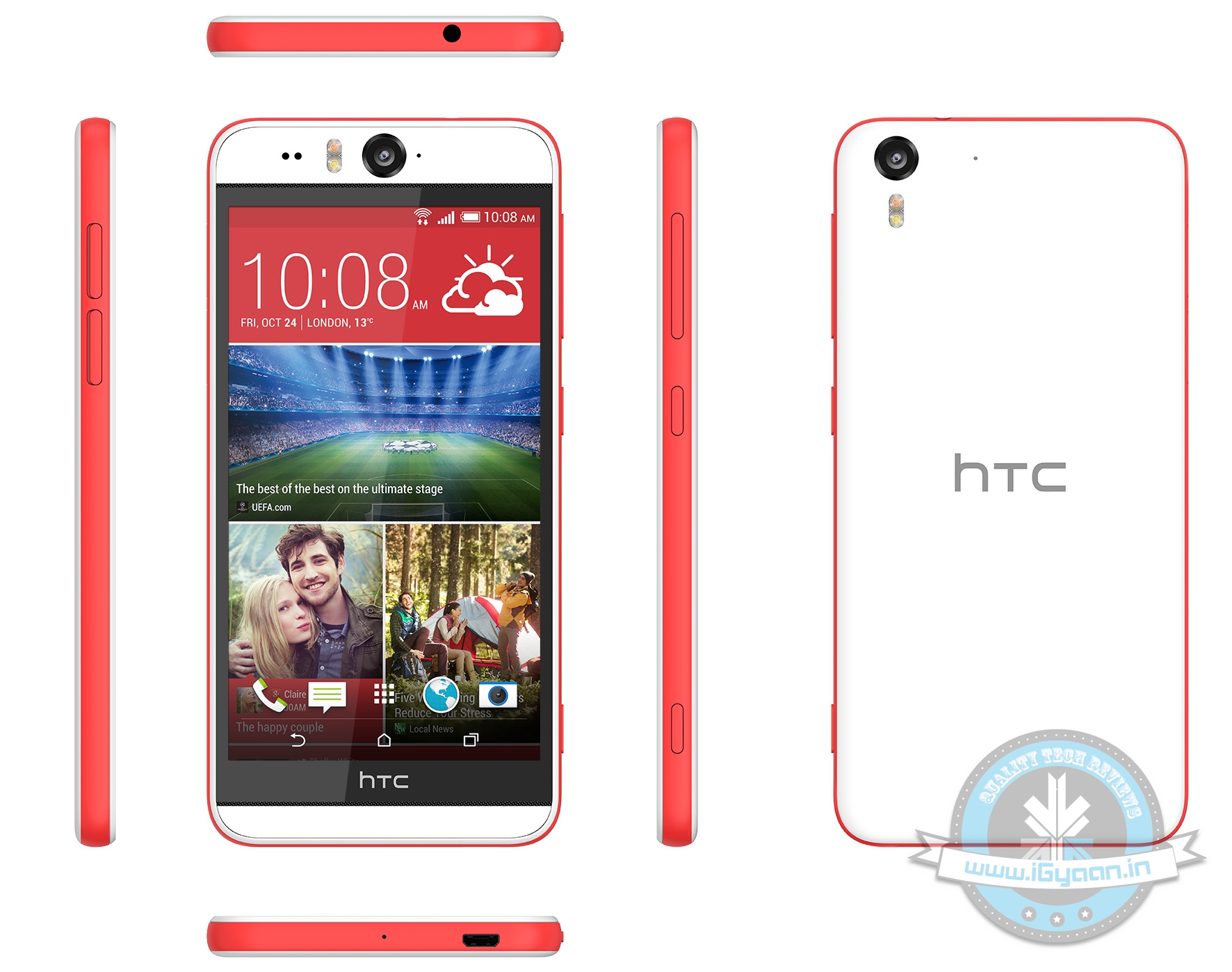
HTC Desire EYE is the first of a kind phone designed to allow users to capture front and rear images in 13 mega pixels. Other specs mostly make it compete with several flagship smartphones out there, a Qualcomm Snapdragon 801 chipset clocked at 2.3 GHz.
 The HTC Desire Eye also boasts a 5.2-inch full HD 1920 x 1080p IPS LCD display, along with BoomSound speaker config. The cameras however, are the highlight of the Desire Eye, with a set of 13 MP cameras, and dual led flash on both sides, the rear camera is a f/2 aperture lens equipped module, whereas the front camera has a f/2.2 aperture lens setup.
The M8 Eye looks like the standard model in every respect except for the fact that the 4MP UltraPixel shooter has been replaced by Sony’s 13MP IMX214, the same sensor used on the HTC Butterfly 2 and the HTC Desire EYE. However, unlike the Desire EYE, the front-facing camera is still a 5MP sensor.
The new M8 will ship with the same ‘Eye Experience’ software as the HTC Desire Eye the company announced two weeks back.  The HTC One (M8 EYE) also includes the new HTC EYE Experience features like Face Fusion, HTC Split Capture, and advanced face tracking features for conferencing.

Nexus 9 Listed on Google Play Store in India for Rs. 28,900

Capture

Nexus 9 Listed on Google Play Store in India for Rs. 28,900

aakash chandra 
Google on Wednesday announced three new devices, all attempting to enter a space which competitior Apple has enjoyed monopoly over the past years. Now, Google’s Nexus 9, the HTC-made tablet  is “coming soon” to India.
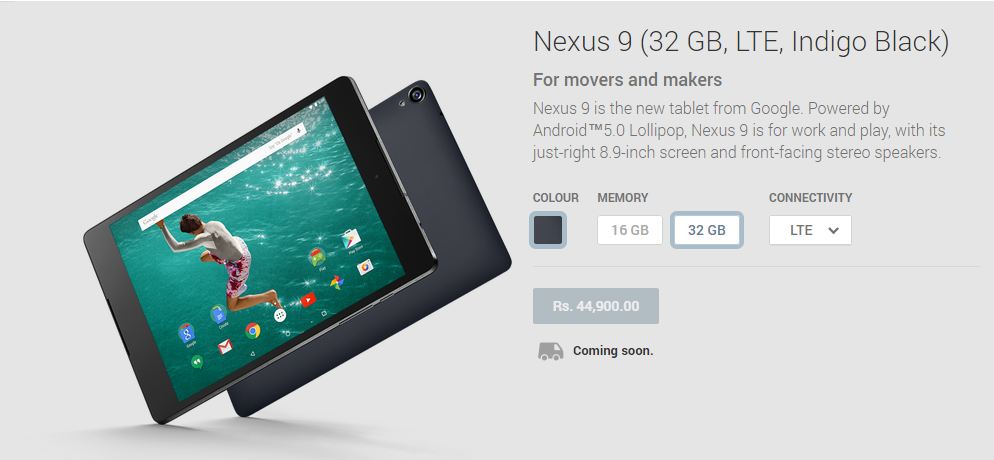
The tablet has been listed on Google India’s Play store. It is not yet available but once it does, it will cost Rs.28,900 for the 16GB Wi-Fi model and Rs. 44,900 for the 3G version with 32GB memory. Three official origami-inspired leather covers for the tablet have also been listed. They  will be available in three color variants, Black, Mint Intiqo and Lime stone.
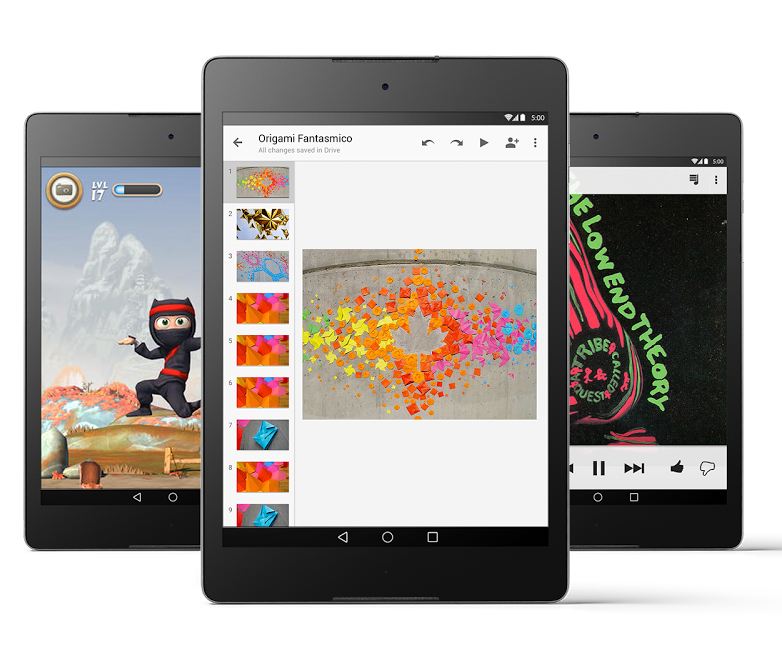
Google describes Nexus 9 as a tablet that “is for work and play, with its just-right 8.9-inch screen and front-facing stereo speakers”. Now according to insider sources, the company will be bringing the Nexus 9 to India by the 2nd week of December, which come in line with this listing.
Nexus 9 is a slim, sleek and sexy looking tablet. Its processing might is taken care by a 64-bit NVIDIA Tegra K1 Dual Denver processor clocked at 2.3GHz. It comes with 2GB RAM and is available in 16GB and 32GB storage variants. The device has an 8.9 inch IPS LCD display with 4:3 aspect ratio. It has a resolution of 2048×1536 and is covered in Gorrila Glass 3.
The camera at the rear will not do 4K video because it is just an 8 MP snapper, but its a wide lens and a great module. The aperture is f 2.4 and the sensor is a BSI sensor. For power you get a 6700 mAh battery, that should last you through the day and then some.
It weighs only 425 gm for the Wifi only and 436gm for the LTE variant, keeping it light and extremely portable. The tablet is easily held with one hand and the back panel feels great as well. The device is one of the first devices to run the latest Android 5.0 Lollipop OS along with the Nexus 6.

Sony Promises to Update Xperia Z line to Android 5.0 Lollipop Soon

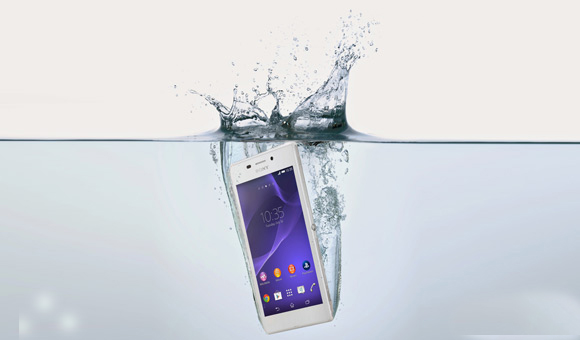
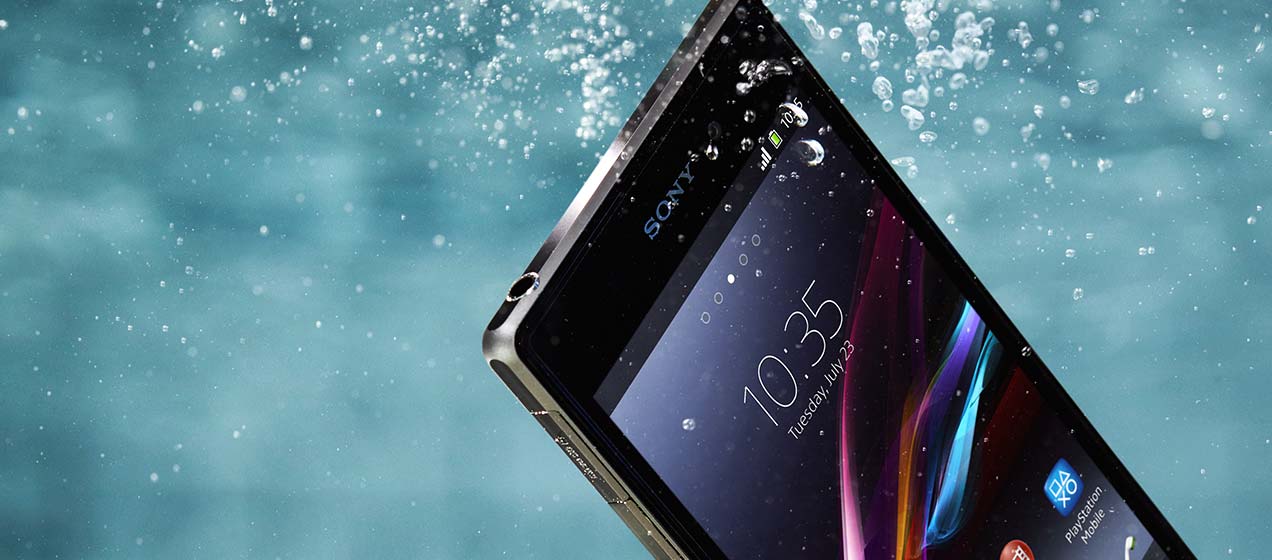
Sony Xperia z3 India10

Sony Promises to Update Xperia Z line to Android 5.0 Lollipop Soon

aakash chandra 
The new upgrade for the Android mobile OS, Android 5.0 Lollipop is finally here. However, it could be a while before Google’s new software becomes available on some of our favorite devices. Sony has confirmed that its entire Xperia Z lineup will make the jump to Lollipop starting next year.
Android 5.0 updates won’t roll out until 2015 for your Xperia device, they only confirmed that Lollipop is coming eventually. Sony notes that the Z Ultra Google Play Edition is first in line followed by the Xperia Z3 and Z2 families, also Z1 and Z devices won’t be left out either.
According to the announcement, “entire premium Z series” means the Xperia Z, Xperia ZL, Xperia ZR, Xperia Tablet Z, Xperia Z1, Xperia Z1S, Xperia Z Ultra, Xperia Z1 Compact, Xperia Z2, Xperia Z2 Tablet, Xperia Z3, Xperia Z3v, Xperia Z3 Compact and Xperia Z3 Tablet Compact will all be updated to Android 5.0 Lollipop.

apple-iphone 6

Apple Pay to Launch on 20th October

aakash chandra 
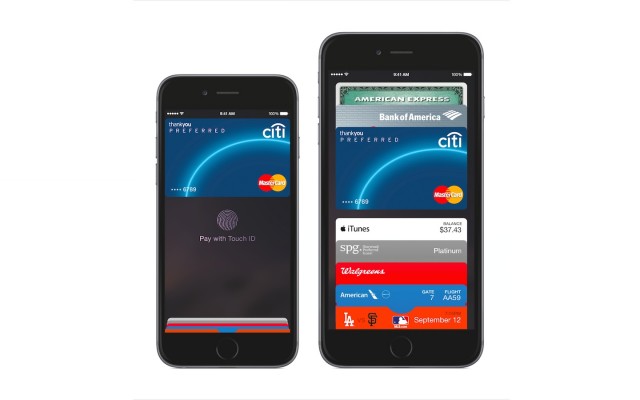
Apple Pay, Apple’s NFC and Touch ID-based mobile payment solution, might arrive sooner than anyone expected. Apple had announced its first mobile payment system will launch this month. Today at the mega event, Apple confirmed it will begin rolling out the service next week on 20th October.
With the new iPhones, Apple introduces the NFC radio on their phones. With Apple Pay all you need to do for paying at stores is bring your phone near the payment sensor, and that’s it, your payment is done. Apple pay is available on both, the iPhone 6 as well as the iPhone 6 Plus. It uses the Touch id for secure payment.
The company has inducted a security chip called the Secure Elements on the phones. Not just that, with this new technology, even your name and purchase details remain hidden from the cashiers at the store. You simply pay by keeping your thumb on the touch ID sensor.
Apple has also take special care that your financial data such as Credit card and account details from falling into the wrong hands. All your credit cards are stored in the Passbook app that doesn’t store any physical data on the device like credit card number and the CVV number. Instead, what you get is a One Time Payment(OTP) number for every transaction that gets transferred to the bank, so neither Apple  nor the merchant gets to know your details.

Dual Screen YotaPhone Comes to India Exclusively on Flipkart.com

yotaphone-02

Dual Screen YotaPhone Comes to India Exclusively on Flipkart.com

aakash chnadra 
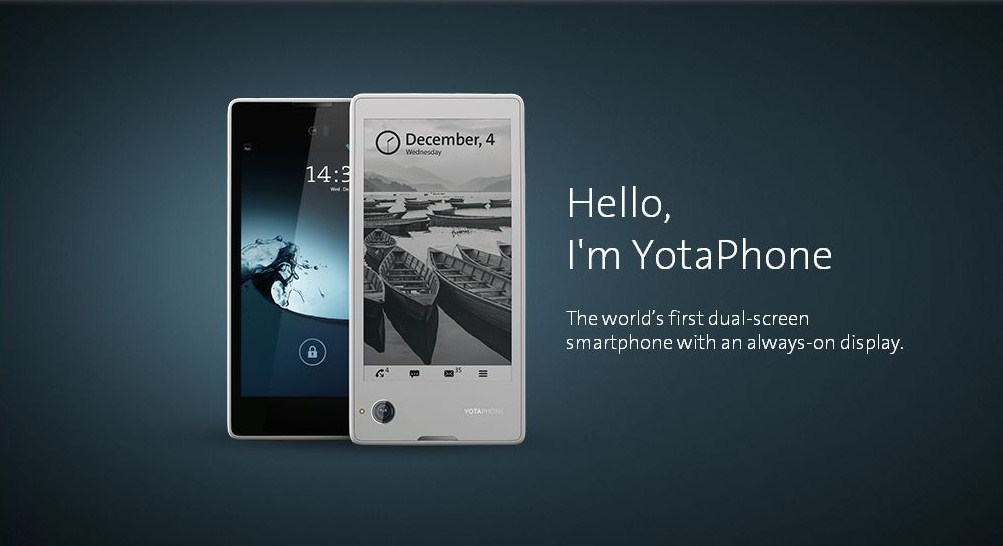
YotaPhone is a one of a kind device. It features two back to back displays. The phone is developed by Russian company Yota, which makes some really cool products. The phone has now arrived in India and will be available exclusively on Flipkart for a price of Rs 23,499.
The YotaPhone comes with two 4.3 inch displays. One display is a 720p HD LCD screen with a pixel resolution of 342 ppi. The second screen is an ‘always-on’, 640×360 pixels E-Ink display with a resolution of 170 ppi.
It’s a perfect device for those who want to have a good e-reader along with the functionality of a normal smartphone in one device. The 4.3 inch screen is equivalent to the Moto E, which is a decent size for a multimedia device.
Yotaphone runs on Android 4.2.2 Jelly Bean. It is powered by a 1.7 GHz Snapdragon dual-core processor with 2GB of RAM. It has 32GB internal storage. The device gets its juice from 1,800mAh battery. It has a 13 MP rear camera with LED flash along with a 1MP front camera.
Abdul Karim Sawan, Vice President for Yota Devices, said on the launch, “Yota Devices combines a smartphone and e-reader into one device for those who enjoy reading on-the-go even in the brightest sunlight. You can save images and information on the second screen, and it stays there, even if you lose battery power. You can save anything on the always-on display from a map to a boarding pass. Information, like a missed call or meeting reminder, stays on the always-on screen until it is no longer needed.”
The device is brought to India in a tie-up with Jumbo Electronics. It is a leading IT, telecom and consumer electronics retailer and distributor from the UAE. The phone will go on sale on Flipkart on October 17.